People of any age can suffer from the symptoms of asthma. You must be vigilant regarding your symptoms, and be certain to consult good doctors in regards to your condition. This article will show you some simple ways you can reduce your asthma symptoms, thus lowering your chances of a serious attack.
If you are an asthmatic, it is vital that you never smoke, and if you already do, you should quit as soon as possible. Although smoking is terrible for everyone, it is even worse for an asthma sufferer due to less oxygen supply in the lungs and that can trigger an attack.
Avoid anything that can trigger your asthma. This is different for everyone, but some people, things like dust or pollen can trigger an attack. It could also be some type of strenuous exercise. You should know what causes asthma, so you can stay away from these things.
If you are suffering from a mild or moderate asthma attack, expel all the air from your lungs. Exhale hard and fast. Try hard to push the air out from your lungs! Take three short breaths, then one last deep breath to ensure your lungs have enough air, then forcefully breath out. This will make your breathing rhythmic and help you pay more attention to it. In addition, it repeatedly empties your lungs of air, so that you can draw in more oxygen-rich air. You might start coughing, and some sputum may come up, but this is no problem and your focus is to get back into a relaxed, rythmic breathing pattern again.
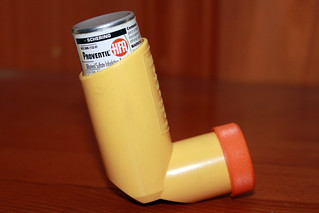
Make proper use of your inhaler. Find a spot that is peaceful, and then follow the instructions given by the manufacturer. The only way the inhaler can help is if the medication can reach your lungs. While inhaling, spray the dosage in your mouth. It is then necessary to hold the breath for about ten seconds to give the medication time to work in your lungs.
If you have asthma, get a dehumidifier for your home. Lowering humidity will reduce the amount of dust mites in your home, and help your asthma improve. Dehumidifiers reduce humidity and keep the air in your home dry.
It has been shown that if you use multiple varieties of cleaning products around your house, it will increase the chance of an asthma attack. Organic cleaners are also a safer choice since they contain fewer chemical irritants.
If your kid or you suffer from asthma, you should get a yearly flu shot. Prevent these infections from occurring by going to get vaccinated each year.
When you are traveling, be sure to carry your rescue inhaler with you at all times. Traveling adds strain on the body and increases your susceptibility to asthma triggers. You won’t be able to control factors in your environment, such as air quality, while are away from home. This also adds to the likelihood of an attack or more symptoms than you are used to at home.
Asthma usually takes an extended interval of time to fully develop, and the warning signs are rarely obvious. There have been a few cases where a person dies from their first attack, because they didn’t know they suffered from the condition. Because of this, persistent respiratory problems need to be checked out by a doctor, who may prescribe medication to treat existing symptoms or prevent new ones from appearing.
While using an inhaler can potentially cause mouth or gum sores, it is still important to use it daily if you suffer from severe asthma. Always clean your teeth and rinse your mouth after you use your inhaler.
When you are cleaning your home, it is always better to use a wet mop rather than sweeping your floors. Those particles that can trigger asthma attacks are stirred up when you sweep. When you dust, try dampening a rag, instead of a feather duster, to avoid spreading things that can trigger your asthma.
Asthma is not a subject to fool around with. Asthma is a dangerous condition with attacks that have the potential to be lethal. It is crucial to do what ever you can to keep your asthma under control. Be sure that you always have the necessary equipment for preventing and treating them. With the tips you just learned, you should, hopefully, feel a little better about getting your asthma symptoms under control.