If you have been afflicted with asthma, it can be extremely terrifying. If you want to properly manage your situation well, educate yourself as to what asthma is, does, and entails. You should have an idea on what to expect, as well as knowing when asthma can flare up, and the tips presented here will certainly be of help to you.
If you have received a diagnosis of asthma, you are not to smoke or be near vapors or other types of fumes. Stay away from jobs that would expose you to toxic or heavy vapors, and refrain from any tobacco use.
If you’ve got asthma, don’t smoke or be near smokers. When you inhale tobacco smoke, particularly in closeted areas, the functioning of your lungs can decrease, and you may suffer an attack.
You should be ready to increase asthma treatments if you suffer from hay fever or a cold. Adjusting your medication may be necessary to manage the symptoms of these and other illnesses. Your regular medication may also need to be combined with other treatments your doctor may recommend.
Asthma Triggers
You need to know what the asthma triggers are so that they can be avoided or treated promptly. Common asthma triggers include pollen, smoke or dander. When possible, stay away from these triggers that cause symptoms or ultimately, full-blown attacks.
Avoid pillows stuffed with goosedown or other feathers if you have an asthma problem. Feathers may trigger asthma symptoms by irritating your lungs. Also, make sure your other bedding is made with hypoallergenic materials.
Many of the most common asthma triggers are found in the home. Three triggers comprise the asthma triad of doom: spores, dust and mold. To keep yourself healthy and avoid asthma attacks, you may need to hire an inspector to come out once a year to test your home and remove any irritants. If you clean your house regularly, you can minimize the risk of these substances accumulating in your dwelling.
You should definitely use your preventative inhaler on a daily basis. However, you should be warned that the drug can also cause infections in your mouth, particularly near your teeth and gums. Brushing or gargling immediately after use can help reduce the risk of infection and other problems.
Monitor how many times, on a weekly basis, you are using your rescue inhaler. Using it more often than twice weekly means that you should have your asthma assessed by a doctor. The frequency of your inhaler usage should remind you to monitor the environmental conditions around you and other issues relating to the way you manage your asthma.
Asthma sufferers should avoid coming into contact with both domestic and farm animals. Even if they are not allergic to the animals, the pollen and dust that animals attract can trigger an asthma attack.
Bed linens often trap allergens, dust, pollen and other things that can aggravate asthma. You can reduce or eliminate these potential asthma attack inducers by laundering your sheets and pillowcases in hot water every week. These fresh, regularly washed linens can help you breathe easier when sleeping.
People with asthma should not smoke. Most people know that smoking is unhealthy, but the consequences are even worse for someone who has asthma. An asthmatic’s lungs are more vulnerable than those of a healthy individual, which makes it especially important to abstain from smoking and avoid secondhand smoke.
If pollen is present in the air, anyone with asthma should stay inside. The same pollens and other irritants that cause trouble for allergy sufferers are also concerns for asthma sufferers, even though the two are quite distinct conditions. Air quality readings are often available locally, and utilizing this information is key in minimizing exposure to harmful airborne irritants.
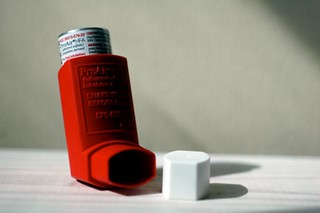
Be sure you know exactly how to properly use your inhaler if you do have asthma. Don’t make the mistake of thinking that it’s as easy as pumping lightly into your mouth. Each time you spray your inhaler, breath in deeply for a few seconds. Proper techniques with your inhaler will keep your symptoms from increasing out of control.
Treatment Plan
Be proactive in controlling your asthma with regular visits to your doctor. Your physician can assess if there’s been any changes in your condition, and adjust your treatment plan accordingly. It is up to you to work with your doctor at regular appointments to keep your treatment plan working.
When painting, you should buy a protective mask if you suffer from asthma. The fumes from the pain can irritate your asthma. By using a mask, you will keep yourself from inhaling the majority of these fumes. Stay away from any chemicals or substance that could worsen your condition.
You should learn as much as you can about asthma. This article only covers some of the techniques you can use to help manage your asthma or someone else’s asthma. Together, you can minimize the impact that asthma has in your life.